Artificial intelligence companies are quickly discovering that ethics is not just a philosophical debate. It is becoming a market decision.
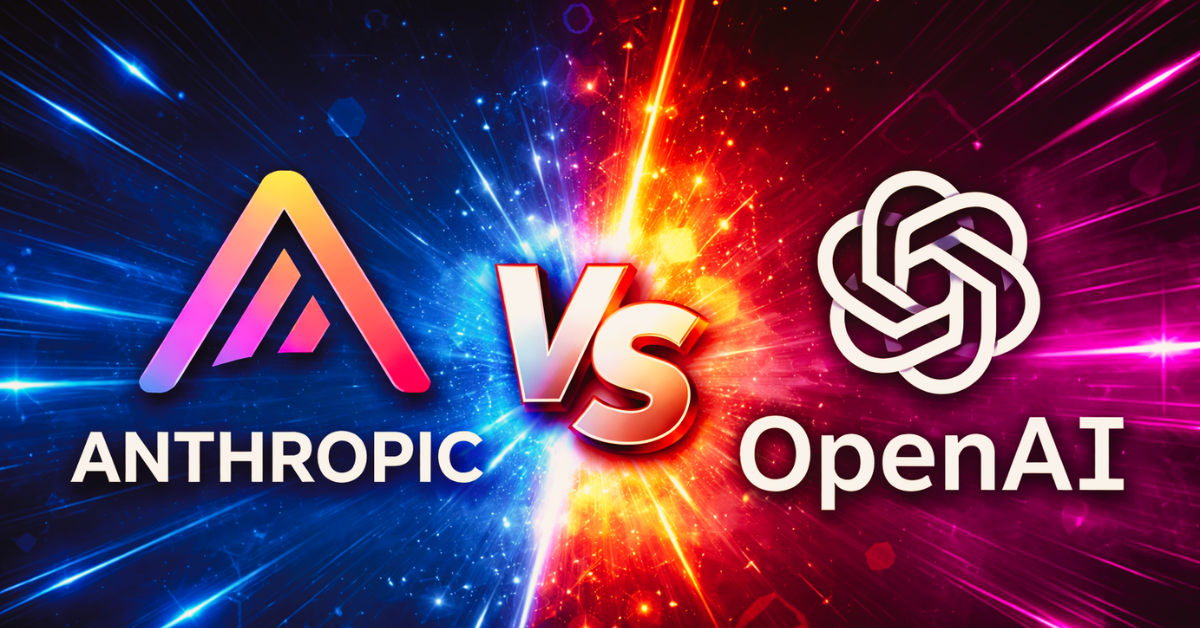
Recently, Anthropic, the company behind the AI assistant Claude, reportedly saw a surge in new subscribers after refusing to weaken certain safety safeguards in response to government pressure. The situation has sparked a broader conversation about how AI companies balance regulatory demands, safety systems, and public trust.
For businesses and everyday users who rely on AI tools, the moment highlights a bigger question. Who decides how powerful technology should behave?
Anthropic publicly indicated that it would not remove or weaken several built-in safeguards designed to prevent harmful or unsafe outputs from its Claude AI system. These safeguards are part of the company’s long standing focus on what it calls “constitutional AI,” a framework designed to make the model behave according to defined ethical guidelines.
After the company made its position clear, reports surfaced that Claude experienced a noticeable spike in new users and paid subscribers. Many users interpreted the decision as a sign that Anthropic was willing to prioritize safety and transparency rather than bending to outside pressure.
The government’s request reportedly included opening the product up to mass surveillance and autonomous weapons. A growing number of users want AI tools that demonstrate clear ethical boundaries and Anthropic released this statement as a direct response to the Department of War’s request.
At the same time, OpenAI took a different path. The company agreed to certain government conditions and partnerships intended to shape how its AI systems are deployed and governed.
Supporters argue this collaboration helps ensure national security oversight and responsible AI development. Critics worry that deeper cooperation between AI companies and governments could lead to more influence over how these systems behave.
This contrast between Anthropic and OpenAI has fueled debate within the technology community. One company chose to publicly resist modifying safety controls, while the other agreed to work within government defined frameworks. Neither approach is necessarily simple. Each reflects a different philosophy about how powerful AI technology should be managed.
Artificial intelligence systems are quickly becoming embedded in business operations, software development, cybersecurity analysis, and everyday productivity tools. Decisions about safeguards are not theoretical. They directly influence how these systems behave in real world environments.
When companies decide whether to weaken or strengthen safety systems, several factors come into play.
- Public trust in the platform
- Legal and regulatory pressure
- National security concerns
- Competition between AI providers
- Ethical responsibility for how the technology is used
The recent surge in Claude subscribers suggests that a portion of the market is paying close attention to how AI companies handle these decisions. Users are no longer just comparing features, they are comparing values and whether the products they’re supporting with their hard earned money align with those values.
The AI industry has moved far beyond experimental research. It is now a competitive marketplace where reputation matters.
Companies that demonstrate transparency about safety practices may gain credibility with customers who are concerned about misuse, misinformation, or privacy. At the same time, companies that cooperate closely with governments may gain regulatory stability and access to major contracts. Both strategies will likely continue to shape the next phase of the AI market.
Anthropic’s experience shows that ethical positioning can directly affect adoption. When users believe a platform is protecting safety standards, they may be more willing to trust it with their data, workflows, and decisions.
For organizations using AI tools, the takeaway is not about picking sides between companies. The real lesson is that governance around AI is evolving rapidly.
Business leaders should be asking a few key questions when adopting AI platforms.
- What safeguards are built into the system
- Who influences how the system behaves
- How transparent the vendor is about safety policies
- Whether the company has a clear ethical framework
AI is quickly becoming part of everyday business infrastructure. Just like cybersecurity or data privacy, the policies behind the technology matter.
The recent attention surrounding Anthropic and OpenAI is a reminder that the future of AI will not only be defined by capability. It will also be defined by the choices companies make when pressure arrives.
And as Claude’s subscriber spike suggests, users are paying attention. If evaluating AI tools for your business is a priority for 2026, you’re not alone. We have had collaborative conversations with our clients at an increasing rate as they look for AI solutions that fit their needs and align with their company mission statements, and we help them address those evaluations from a technical standpoint. Learn more today with a consultation.

This article was powered by Valley Techlogic, leading provider of trouble free IT services for businesses in California including Merced, Fresno, Stockton & More. You can find more information at https://www.valleytechlogic.com/ or on Facebook at https://www.facebook.com/valleytechlogic/ . Follow us on X at https://x.com/valleytechlogic and LinkedIn at https://www.linkedin.com/company/valley-techlogic-inc/.