
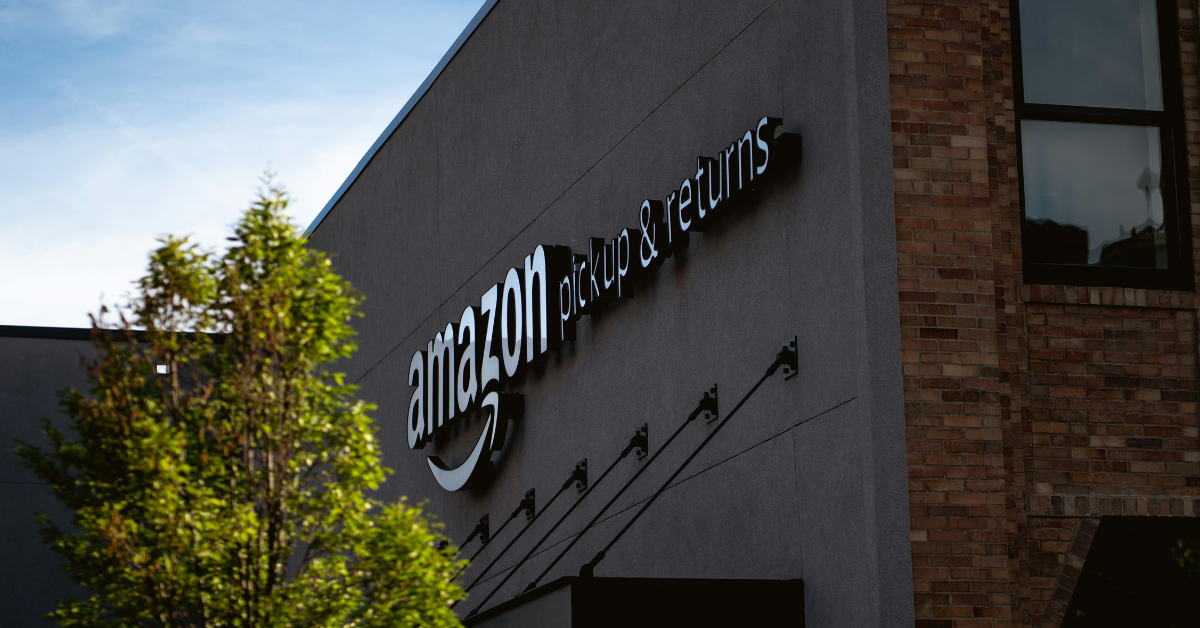
Finding out you’re losing your job is never fun but finding out via an email you were never supposed to see alongside 16,000 other employees might be on another level.
Such was the case for Amazon this week when an internal email leaked about a global redundancy, shortly after the company announced that jobs would be cut. While the message was sent by mistake and quickly cancelled, the damage was done. Amazon has said the jobs reductions were part of a plan to “remove bureaucracy”, this was after other large cuts specifically to their corporate workforce were announced in October of last year. Many are speculating these cuts are related to Amazon and other tech giants’ investing heavily in AI.
The draft email was penned by an employee named Colleen Aubrey who is the senior vice president of Amazon Web Services (AWS) and was titled “Send project Dawn email”, Project Dawn is allegedly what Amazon refers to layoffs within the company. This alerted employees that layoffs would be happening before they had officially been told and some employees reported they knew weeks beforehand that a reduction in the workforce would be happening soon. Former staff members were aware of Amazon’s goal to lay off at least 30,000 employees in 2026.
This also follows other changes to structure within the company, such as returning to a five day a week in office schedule (Amazon is one of the few tech companies that insist on a full-time in-office schedule) and tightening of company expenses, such as reducing the amount given for cell-phone cost reimbursement. Many of these changes link back to new CEO Andy Jassy who directly replaced Jeff Bezo’s as head of the company last year (Jeff Bezo’s still being heavily involved in the back end and focused on Amazon’s space ambitions with Blue Origin). It’s also worth noting that Bezo’s net worth jumped 5.7 billion in the wake of this announcement due to rising stock prices.
It’s clear we’ll continue to see major shifts in workforces and overall business strategy in 2026, but it’s still a reminder that practicing good email hygiene is paramount to not having plans unintentionally leaked. Events like this can cause panic and uncertainty for employees and reduce overall trust even for companies as large and established as Amazon.
There are a few things you can do to prevent and mitigate unfortunately email blunders such as the one that occurred this week:
3 ways to help prevent email leaks
1) Implement approval workflows for sensitive communications
Messages involving layoffs, financial updates, legal matters, or internal strategy should require at least one additional reviewer before sending. A second set of eyes often catches wrong distribution lists, accidental attachments, or premature messaging.
2) Restrict and clearly label large distribution lists
Large mailing groups should be locked down so only approved users can send to them. Adding clear naming conventions such as “All Employees – Executive Only” or “Leadership Confidential” helps prevent someone from selecting the wrong list in Outlook or Gmail autocomplete.
3) Use email safeguards and delay-send policies
Many email platforms allow automatic sending delays (e.g., 1–5 minutes), external recipient warnings, or confirmation prompts when emailing large groups. These safeguards give senders a short window to recall or correct a mistake before the message leaves the organization.
2 ways to mitigate damage if a leak happens
1) Respond quickly and transparently
Silence usually makes situations worse. Leadership should quickly acknowledge the mistake, clarify what information is accurate, and communicate next steps. Fast, honest communication helps reduce rumors and employee anxiety.
2) Lock down further distribution and investigate immediately
Disable forwarding where possible, remove access to affected emails or attachments, and review audit logs to understand how the incident occurred. Use findings to update procedures and prevent repeat mistakes.
In short, email mishaps are rarely caused by technology alone, they’re usually process failures. A mix of communication discipline, permission controls, and technical safeguards dramatically lowers the chance of repeating this kind of incident.
If technology planning (including email handling) is still being evaluated for your business in 2026, Valley Techlogic can be your partner in setting up systems that work and prevent unexpected surprises. Learn more today with a consultation.

- Microsoft 365 Business Premium with Copilot Included? This new SKU makes integrating AI into your business more affordable and accessible
- The Verizon outage that left more than a million without cell service yesterday is fixed, but what caused it?
- Cars, coding… and healthcare? AI behemoths such as OpenAI and more look to diversify their products into applicable categories, but to what end?
- How Businesses Can Protect Their Data Privacy While Utilizing AI Tools
-
This article was powered by Valley Techlogic, leading provider of trouble free IT services for businesses in California including Merced, Fresno, Stockton & More. You can find more information at https://www.valleytechlogic.com/ or on Facebook at https://www.facebook.com/valleytechlogic/ . Follow us on X at https://x.com/valleytechlogic and LinkedIn at https://www.linkedin.com/company/valley-techlogic-inc/.